Vape Culture: Examining the Emergence of Vaping in Contemporary Society
Vape culture has risen as a notable movement among young adults, motivated by the search for better alternatives and an array of flavor selections. Social media amplifies this trend, depicting vaping as a widely embraced option. Yet, the health concerns surrounding vaping remain debated, sparking ongoing debates about its potential risks. As vaping establishments transform into social gathering spaces, the dynamics of this lifestyle continue to shift. What lies ahead for this growing movement?
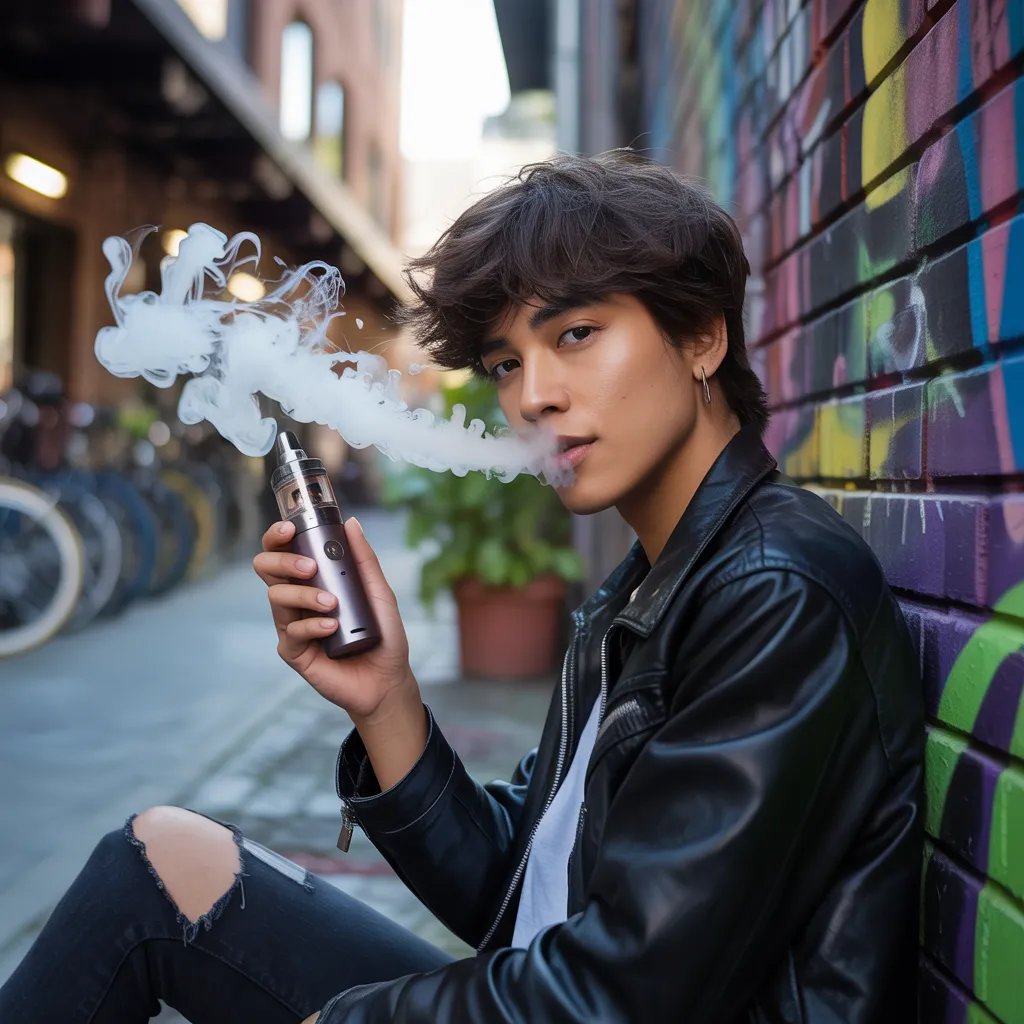
Why Are So Many People Making the Switch to Vaping?
As knowledge of the health hazards connected to traditional cigarette use expands, numerous people are choosing vaping as what they consider a healthier option. This transition is fueled by several contributing elements, among them the allure of varied tastes and personalized settings that vaping devices deliver. Numerous users value the wide range of flavors, spanning from fruity to dessert-themed options, which make the experience far more pleasant than traditional tobacco. Moreover, vaping is commonly perceived as a more socially embraced habit, particularly within younger populations. The innovation within vaping devices additionally enables a degree of management over nicotine consumption, attracting individuals seeking to lower their intake steadily. Beyond that, the notion that vaping is less bothersome and leaves behind fewer persistent odors compared to smoking plays a role in its increasing prominence. As a consequence, a broad spectrum of individuals, including both former smokers and those new to nicotine use, are steadily embracing vaping as their preferred choice.
Is Vaping Actually Safe? The Wellness Debate?
When comparing the safety of vaping to traditional smoking, what do we find? This inquiry has ignited substantial controversy among healthcare specialists and the general population. While vaping is often marketed as a safer alternative to smoking, the reality is more complex. Vaping devices usually include a smaller number of toxic chemicals compared to regular cigarettes, theoretically diminishing some associated health dangers. Despite this, vaping remains a source of hazardous compounds entering the body, among them nicotine, which carries risks of addiction and potential cardiovascular concerns.
Emerging research has raised concerns about the lasting impacts of inhaling aerosolized substances, particularly since several substances within e-liquids remain largely unexamined. Moreover, reports of lung damage linked to vaping have emerged, further contributing to the doubt regarding its safety. When all is considered, while vaping may present fewer risks than smoking, it is not devoid of potential hazards, demanding thoughtful evaluation from both users and policymakers.
Who's Joining the Vaping Trend?
What types of people are attracted to vaping? Vaping attracts a wide variety of people, spanning various age groups and backgrounds. Younger individuals, especially those between their late teens and early twenties, often seek alternatives to traditional smoking, seeing vaping as a trendy and modern personal choice. A significant number are influenced by the belief that vaping poses fewer health risks and offers a customizable experience through various flavors and nicotine levels.
In addition, smokers who have switched to vaping represent a significant demographic. They often view it as a way to lower nicotine intake while continuing to enjoy the inhalation experience. A sense of curiosity also compels many people, as the social elements of vaping entice those who wish to connect with like-minded individuals or try new things. Vaping's widespread availability, along with its sense of novelty, consistently brings a diverse array of people into the vaping sphere.
How Social Media Shapes Vape Culture
What role does social media play in shaping vape culture? Social media platforms have become pivotal in promoting and normalizing vaping among various demographics. Via eye-catching visual content, influencers portray vaping as a lifestyle option, routinely stressing its aesthetic qualities and social elements. Vaping-related hashtags and online challenges foster a sense of belonging, motivating users to exchange their experiences and personal preferences. Moreover, social platforms including Instagram and TikTok empower users to generate and spread tutorials, vaping techniques, and product assessments, increasing the prominence of vaping products and brands.
This ongoing engagement creates an environment where vaping is not just a habit but a form of self-expression. The widespread reach of social media accelerates tendencies, leading to swift changes in consumer preferences. Consequently, social media functions as a double-edged sword, both promoting awareness of vaping and perhaps embellishing the activity, particularly among younger demographics.
How Vaping Impacts Lifestyle Decisions
Vaping has grown into a powerful force shaping current lifestyle trends, influencing everything from social interactions to personal identity. For many, vaping serves as a social lubricant, facilitating connections in both casual and formal settings. Engaging in vaping commonly produces a mutual experience among its users, nurturing community relationships and defining expectations around group interactions.
Additionally, vaping has reshaped personal identity for some people, distinguishing them from traditional smokers or non-smokers. The range of flavors, devices, and brands empowers individuals to express their preferences and tastes, fostering a sense of personal identity.
Additionally, perceptions about health surrounding vaping have inspired behavioral changes; a number of users regard it as a safer option compared to smoking, while some incorporate it within wellness and lifestyle discussions. At its core, vaping impacts preferences regarding social habits, self-identity, and overall health, illustrating its profound impact on today's lifestyle choices.
Vape Retailers: Community Spaces for Enthusiasts
In the evolving landscape of vaping culture, vape shops have become essential gathering places for enthusiasts. Such venues function as meeting spots where people can come together around their shared interest in vaping. Going beyond simple retail, vape shops regularly hold events, such as tastings and workshops, nurturing a welcoming atmosphere among customers.
The well-informed staff regularly offer helpful guidance into the latest devices and e-liquids, improving the overall vaping journey. This tailored service fosters trust and loyalty among the community. Additionally, vape shops often create welcoming environments, facilitating social engagement among patrons, which can lead to friendships and support networks.
With vaping steadily increasing in popularity, these shops serve a vital role in cultivating a culture focused on discovery and learning. By emphasizing community participation, vape shops not only enrich individual journeys but also aid in building a dynamic, interconnected vaping culture.
Future Trends in Vape Culture
How might vape culture develop as technological advancements and societal views continue to shift? With the progression of vaping technology, developments like smart devices and personalized options are expected to appeal to a broader demographic. Upgraded user interfaces and app connectivity may support individualized experiences, empowering users to track their consumption habits and preferred flavors. Moreover, the rising priority placed on health and wellness could transform attitudes, fostering broader acceptance of vaping as a less detrimental option compared to traditional smoking.
Legislative shifts will further shape the landscape as regulatory bodies enforce stronger guidelines, manufacturers may focus on transparency and quality, encouraging a more ethical marketplace. Community outlooks may progressively transform, with vaping merging more deeply into contemporary lifestyle, akin to the rise of boutique beverages or gourmet coffee. Fundamentally, the evolution of vaping will be shaped by an interplay of cutting-edge innovation, regulatory frameworks, and transforming public outlooks, shaping a distinct identity within contemporary society.
Common Questions and Answers
What Are the Most Popular Flavors Among Vapers Today?
Fruity flavors, notably mango, watermelon, and berry, dominate the vaping market today. Dessert flavors, like vanilla custard and rich chocolate, also enjoy popularity, appealing to those seeking sweet and indulgent experiences in their vaping choices.
How Much Do You Usually Spend on Vaping Each Month?
Monthly vaping costs typically range from $30 to $100, varying with usage, device type, and e-liquid choices. Consistent users could experience notable differences in spending according to personal preferences and consumption patterns.
Do Age Restrictions Apply When Buying Vape Products?
Yes, there are age restrictions for buying vape products. In numerous jurisdictions, individuals must be at least 18 or 21 years old, based on local regulations, to lawfully purchase expert tips vaping devices and related accessories.
Does Vaping Help Smokers Quit Cigarettes Entirely?
Vaping may assist some individuals in quitting smoking entirely by serving as a less damaging option. That said, not everyone experiences the same benefits, and reliance on vaping can lead to continued nicotine dependence for others.
What Are Common Misconceptions About Vaping?
Widespread misunderstandings about vaping include beliefs that it is completely safe, that it doesn't contain harmful substances, and that it is solely a gateway to smoking. These misunderstandings can influence perceptions and behaviors surrounding vaping.